
Air travel plays a quieter role in our lives than it probably should get credit for. For some, it’s a once-a-year disruption to be endured. For others, the cabin is practically a second office.
RoyPrints was built on going here, there and everywhere. Quite often it requires a flight or two, and somewhere along the way, flying became as much a part of the story as the destination. It found its way into the prints, and eventually, into the name of the members club itself.
The Business Class cabin you know of today didn’t arrive ready-made. It was built on decades of ambition, excess, economic shocks, and an occasional touch of creative madness. To understand what RoyPrints Business Class is, it helps to know where the idea itself came from.
What came before business class?
For the first few decades of commercial aviation, Business Class simply didn’t exist: you flew First, or you flew Economy. Given that a return from New York to London cost around $350 at the time (roughly $3,800 today), whoever was on board was either affluent, corporate, or both.
First Class in the Jet Age was the real deal. The ‘golden age of aviation’ is a phrase that gets thrown around a lot, but the reality earned it. Silverware, linen, a dedicated cocktail service, and a passenger profile that treated the flight as the occasion rather than an inconvenience. Smoking sections were standard, and if you needed a light, the cabin crew had one. Flying was an event you prepared for, and people dressed for it the way you’d dress for a dinner you’d been looking forward to.

CWA5EJ Pan Am Airlines introduces the Boeing 707 airplane, 1958. Courtesy: CSU Archives / Everett Collection
The Boeing 747 and its jumbo effect on the industry
The 1970s arrived with two breakthroughs that would reshape aviation entirely. The first was the 747, the queen of the skies, as she’s still known. Being the first aircraft to feature a top deck, and a much larger fuselage; the 747 delivered roughly double the seat capacity of the jets preceding her. She was, by any measure, a different kind of aircraft.

(credits to Acroterion, Wikimedia Commons : https://commons.wikimedia.org/wiki/File:Lufthansa_Boeing_747-8_D-ABYI_IAD_VA1.jpg )
That upper deck, though, became the ultimate showstopper. With no precedent for what should be in it, airlines had something they’d rarely been handed before; a genuinely blank canvas, at altitude, with a captive audience and no rules.
747 upper deck designs: where the sky was the limit
Whilst the bottom deck was treated as any other flight space would be: economy below, first class above, the upper deck was a blank canvas, and airlines threw everything at it.
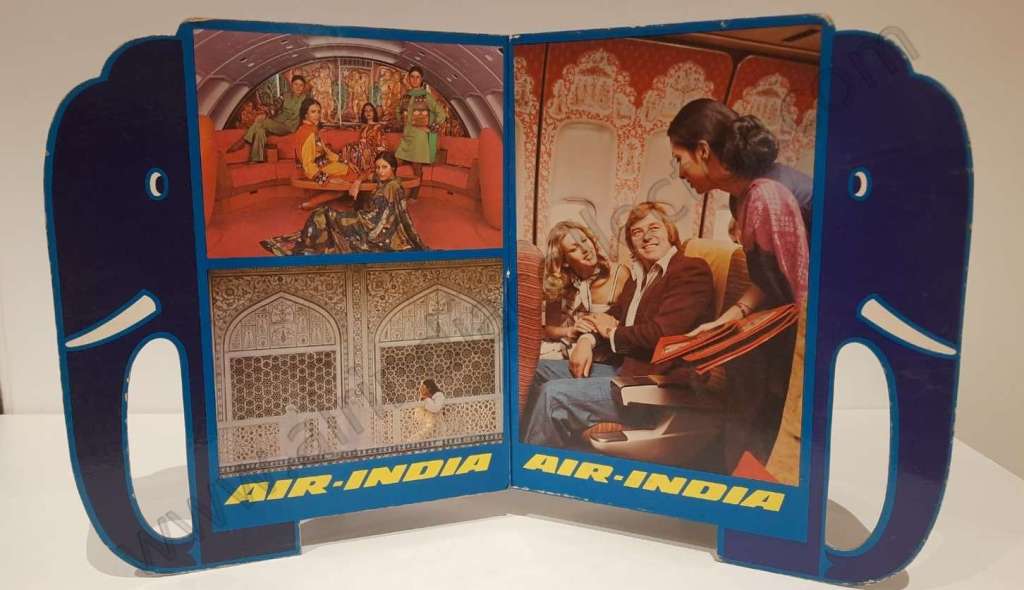
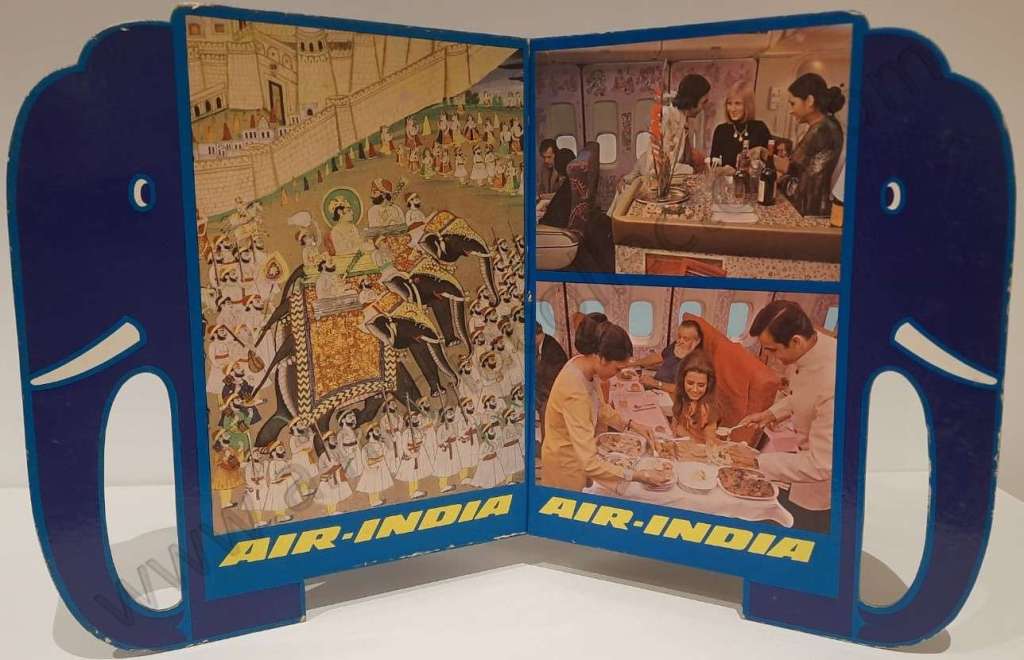
Air India’s response was their ‘Palace in the Sky’. Artists and designers from India’s top institutions were brought in, weaving together centuries of art, craft and cultural heritage into every detail. Tapestries on the walls, hand-selected linen, no surface was left unconsidered. The brief, as far as one could tell, was simply: spare nothing.

(https://www.qantasnewsroom.com.au/roo-tales/70s-flashback-to-the-captain-cook-lounge?print=1)
Qantas took a different approach, with equal ambition. Where Air India built a palace, Qantas built the cabin of an exploration vessel: the Captain Cook Lounge. A tribute to the first European to set foot on Australian soil. The colour palette leaned into iconic 70s orange across the seating. Rather than ornate wall art, the identity came through in the details; ship’s wheels, nautical dividers, and lanterns reminiscent of a seafarer’s quarters. The whole place felt less like a lounge and more like a set piece.
What united the two airlines was the attitude. There was no benchmark up there. The experience came first, and the hardware existed to serve it. For perhaps the first time, an airline could genuinely say something about itself. Beyond merely the uniform or safety card, but through the room you were sitting in. A flight had always been a gateway to a destination, the first representative of a culture before touchdown. With configurations like these, that gateway could actually mean something.
How deregulation grounded the golden age
The canvas didn’t stay blank for long. Towards the tail end of the 70s, aviation was shaken again, this time not by a new aircraft, but by a piece of legislation. The Airline Deregulation Act of 1978 dismantled the Civil Aeronautics Board’s grip on fares, routes and market entry, handing control directly to the airlines. Paired with two oil crises that had already tightened every budget in the industry, the mood shifted almost overnight.
The glamour that the 747 had made possible was now the first thing on the chopping block. Those upper deck lounges, the palaces and tea houses, were completely ripped out and replaced with rows of seats. Fares dropped, capacity grew, and the experience quietly contracted around it.
What emerged from the pressure was pragmatism. Higher cabins remained comfortable, but the thinking had changed: spatial efficiency took priority over aesthetics. Somewhere in that recalibration, airlines noticed a gap. First Class was expensive to maintain and expensive to fill. Economy class was profitable but thin on margin. The space between the two however, proved to be quite interesting, giving way to what we know as Business Class.
With wider seats and warmer service than Economy, and without the running costs of First. It was the sweet spot, and demand proved it quickly. Through the 80s and into the 90s, the product matured steadily. Cradle seats arrived, then adjustable headrests, then more cabin width. Each iteration built for a little more comfort than the last.
The lie-flat seat came eventually, born from the growth of long overnight routes, and the realization that sleep was the one thing no amount of fine dining could substitute. That product, more or less, is what you board today.
What does business class look like today?
The palace in the sky is a distant memory now, but Business Class hasn’t stopped being an occasion. It’s just a different flavour of one.
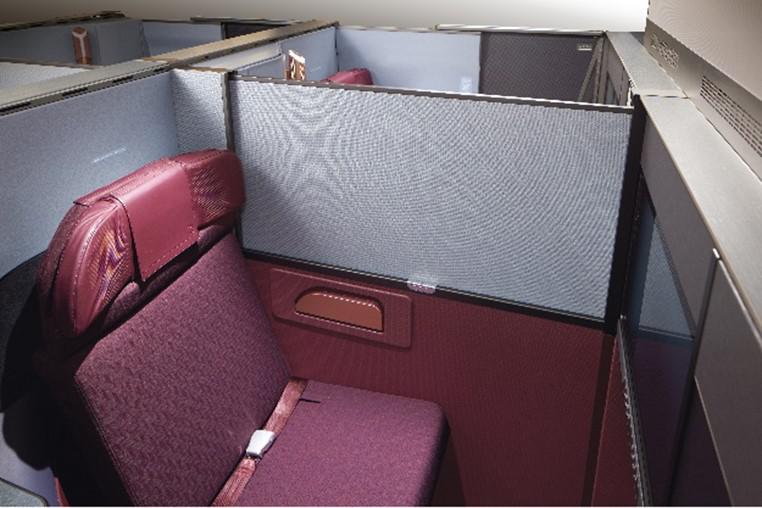
The baseline has shifted considerably. Lie-flat seats and three course meals are now the floor, not the ceiling. The differentiation happens in the details; the art on the suite walls, the menu, and perhaps most tellingly, the amenity kit.
This is where airlines do their most considered work. Bvlgari for Emirates, The White Company for British Airways, and Forest Essentials for Air India. Each one pulling you closer to the airline’s home culture before you’ve even landed. Ayurveda in your hands. British-woven fabric over your eyes as you sleep. It’s one of the few in-flight touches that still goes all out, built for your journey and well beyond it. For the kits that do it well, the pouch gets repurposed, the bottles get refilled, the kit ends up in a gym bag or a bedside drawer.

Some carriers go further still with a dedicated Business Class magazine alongside the standard one. A shop within a shop, delivering an added layer of exclusivity beyond the cabin configuration.
The hardware has changed. The feeling, when done right, hasn’t. The best Business Class products today understand that the real luxury was never the trolley of Bollinger, it was about feeling genuinely cared for, and cocooned.
What is RoyPrints Business Class membership?
If you’re still here, you might be wondering where RoyPrints comes in, and why I didn’t just make a TikTok about it with the essay in the comments. As you’ll see below there’s far more than a 10 second video could cover.
Once you travel enough, you’ll develop strong opinions about what makes a long journey feel human. Business Class was built around exactly that; the experience we kept wishing existed. Not just something to enhance the flight itself, but a warm, thoughtful experience that starts before you set off and stays with you after you land. Here’s how we do that.
Fit to Fly, the amenity kit
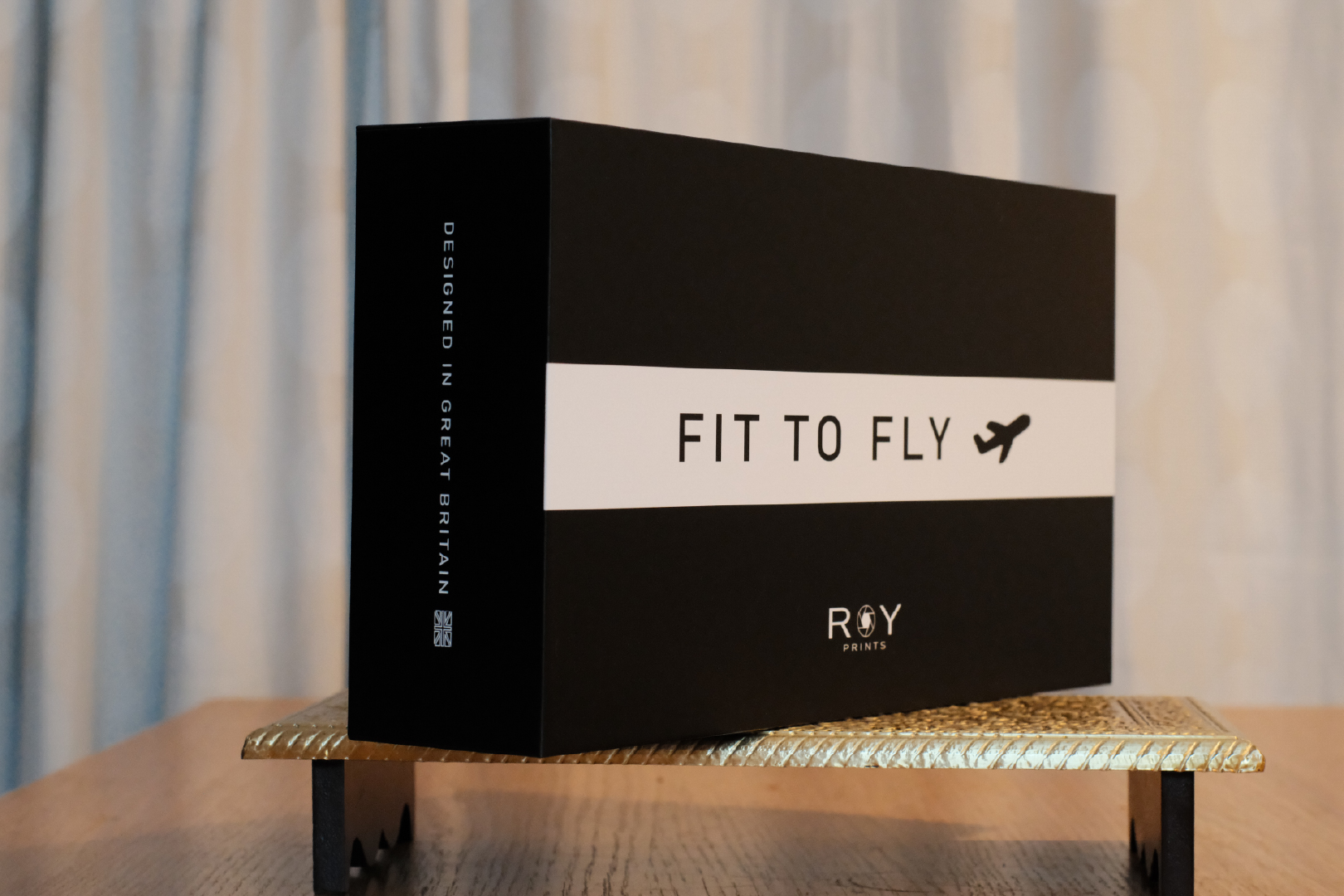
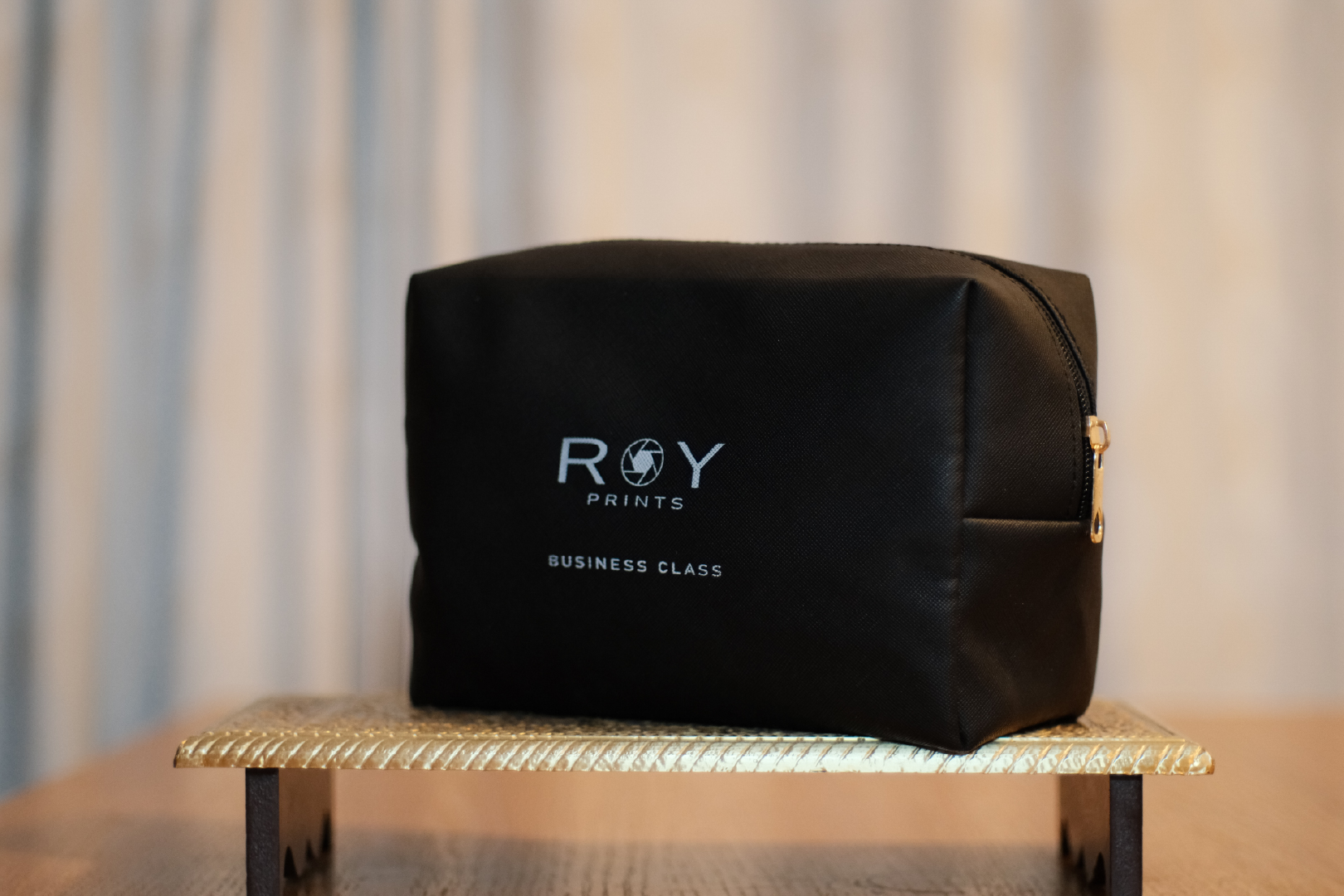
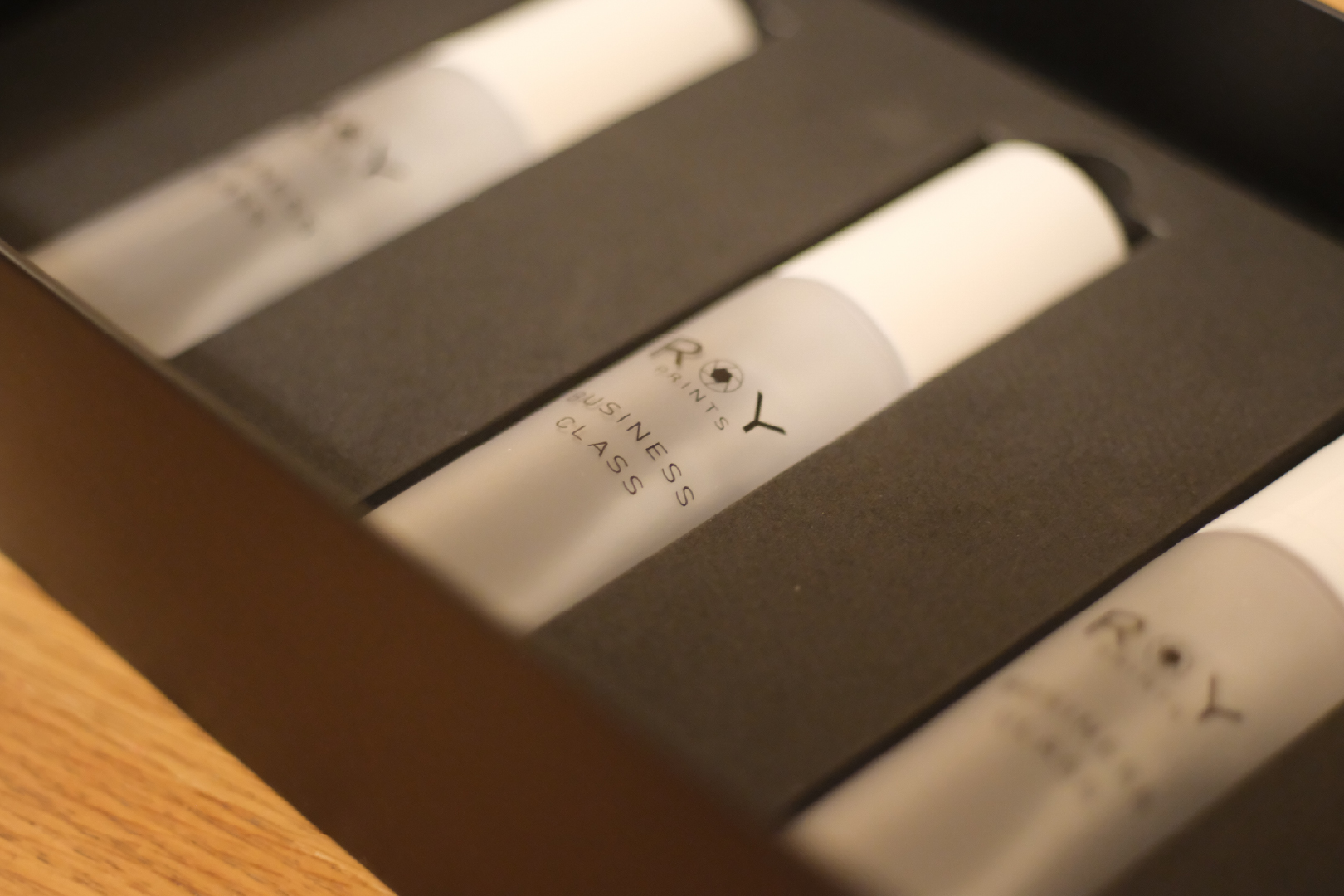
Making our own amenity kit was always on the list. It just needed the right context to exist. Once we established Business Class, we jumped at the opportunity to develop our first Amenity kit; Fit to Fly. Fit to Fly is available exclusively to Business Class members.
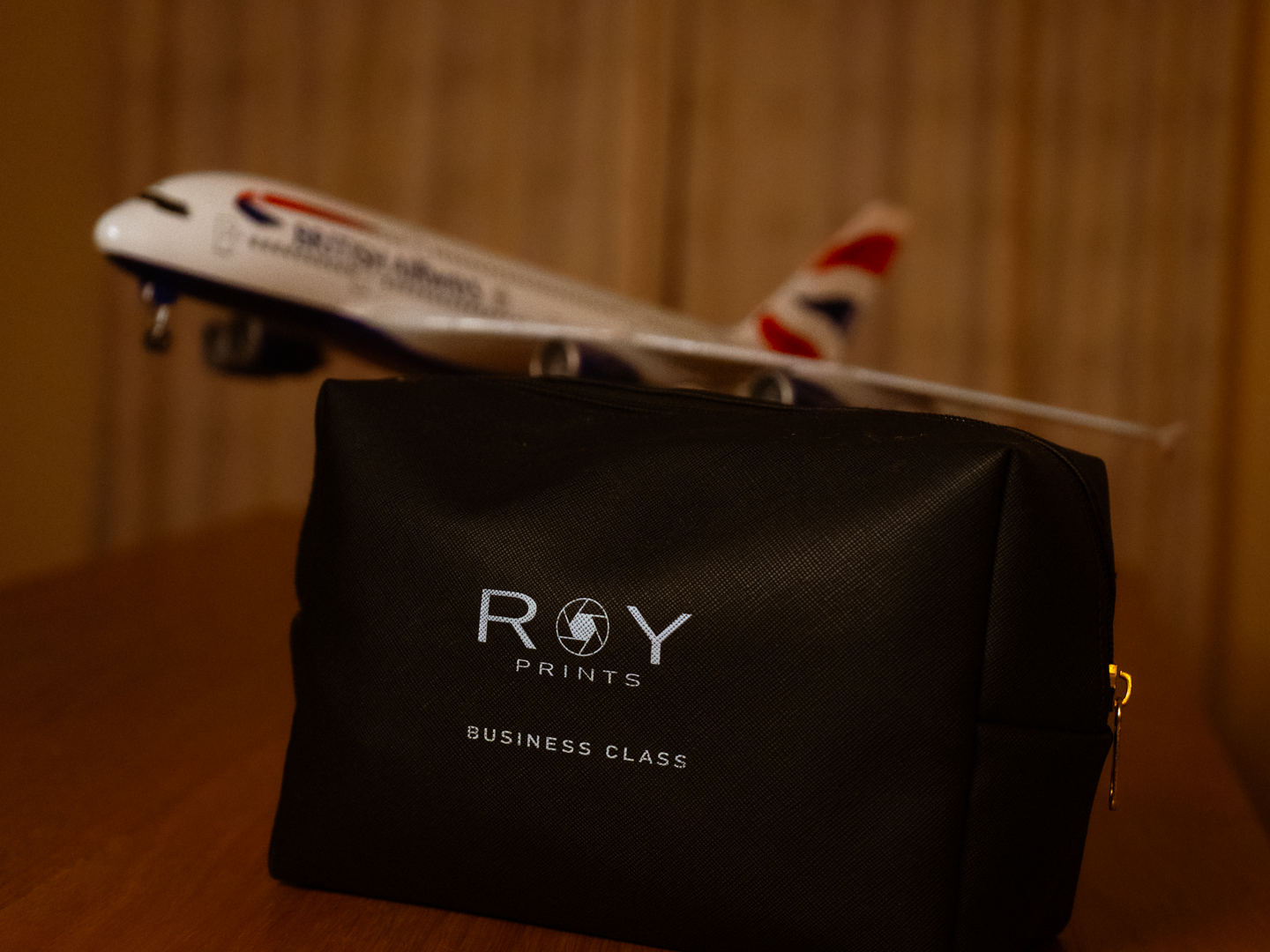
The centrepiece is the pouch itself. Faux leather, chrome zip, and it’s deceptively spacious for its size. It looks and feels at home on a hotel bathroom shelf as much as it does in an overhead locker. Like all RoyPrints products, we’ve stress tested it across many weekend trips with face washes, creams, shampoos, conditioners, the lot. Don’t hold back, it can take it.
Included in the pouch are three frosted bottles with foaming pumps, and they were a deliberate choice. We could have partnered with a skincare brand and filled them for you, but the reality is you already know what works on your skin. Fill them with whatever you actually use, add a little water, and the foam takes care of itself. It sounds like a small thing until you’ve stood in a hotel shower working up zero lather with a product you’ve never heard of, in a city you’ve just arrived in, jetlagged. We’ve been there so you don’t have to.
Fit to Fly is available for purchase in the Business Class member area. [Order yours here]
Priority Boarding, the members travel magazine

The modern travel magazine has been replaced by Tiktoks and Instagram reels. We could’ve taken the same route, but a Business Class experience is one to enjoy with your coffee in the morning, or whiskey at night.
Priority Boarding exists as the latter. Priority Boarding is our monthly newsletter, sent only to Business Class members, written from having actually been there. Each edition takes one of the locations we’ve photographed and properly explored. Where we went that stopped us in our tracks, the vantage points worth the early alarm, where to eat, where to stay, and what to drink when you get there. All for you to read before the flight, during it, maybe even after.
The sanctity of your inbox will remain intact. Just Priority Boarding and key communications about your orders, that’s all it’ll ever be used for.
Priority Boarding goes out monthly via email, exclusively to Business Class members. [Sign up here]
Exclusive products and discounts
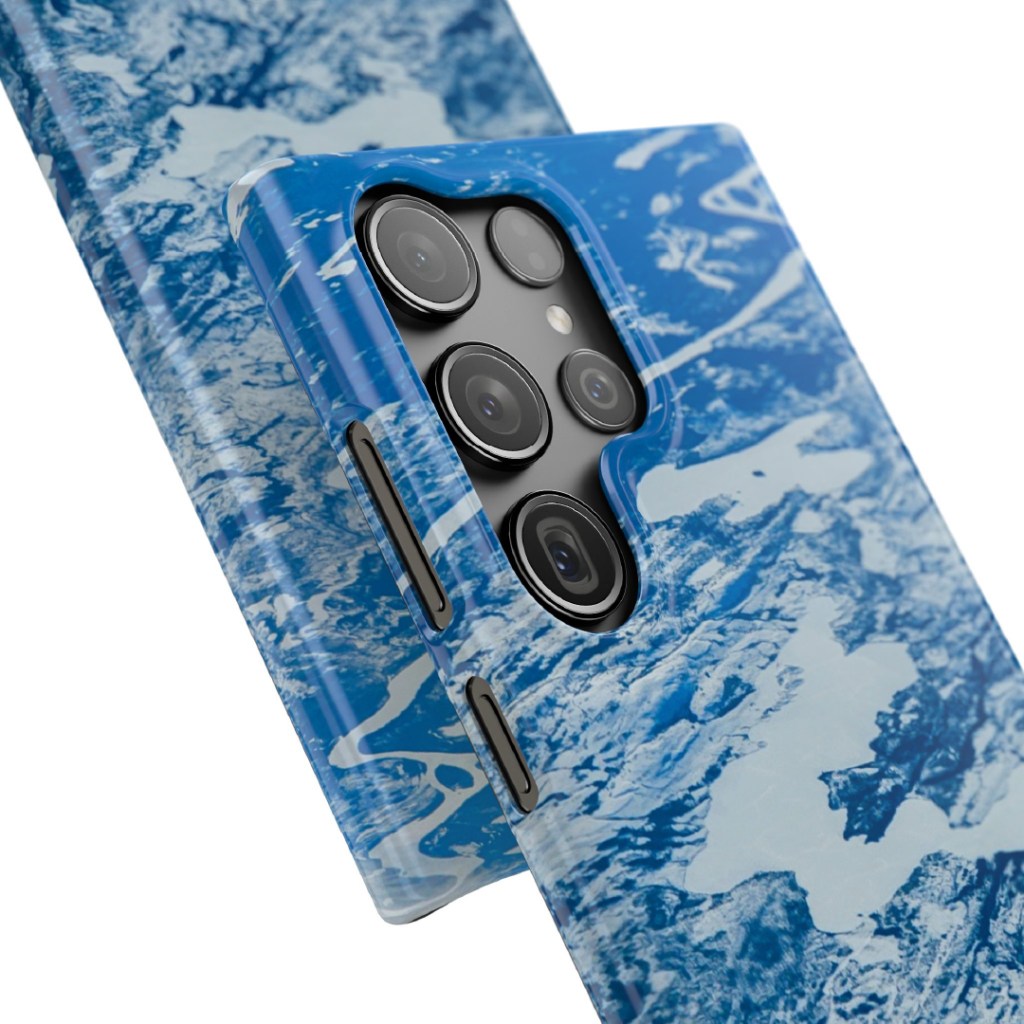
No Business Class experience is complete without a private shopping experience, and we’ve certainly got that covered.
The Business Class member portal is a gated space, accessible only to members, and it’s where our more considered products live. Chief among them, our phone cases. Each one is limited to 100 pieces globally, fitted and matched to your specific model, with your own personal mockup booklet so you can see exactly what you’re getting before you commit. No adjustment too pedantic; this is something that travels everywhere with you.
Beyond the portal, every Business Class member carries a sitewide discount that never expires. No renewal, no tiers, no fine print.
The member portal and your sitewide discount are waiting. [Go to the member area]
Where Business Class goes from here
Business Class, as we’ve seen, has never really stood still. The palace in the sky became a suite with a sliding door, and the cigarette trolley became a Bulgari amenity kit. What hasn’t changed is the intent at the core of it: a warm, dedicated experience that welcomes you to the destination before you land.
That’s what we’re trying to carry. Not the opulence exactly, but the spirit of it. RoyPrints Business Class exists to make that feeling less dependent on your seat number.
We’ll keep listening, keep adding, and keep travelling. The destinations are still coming, the editions are still limited, and boarding is open for Business Class membership.
This article is part of the House of Design Journal. [Explore more]