
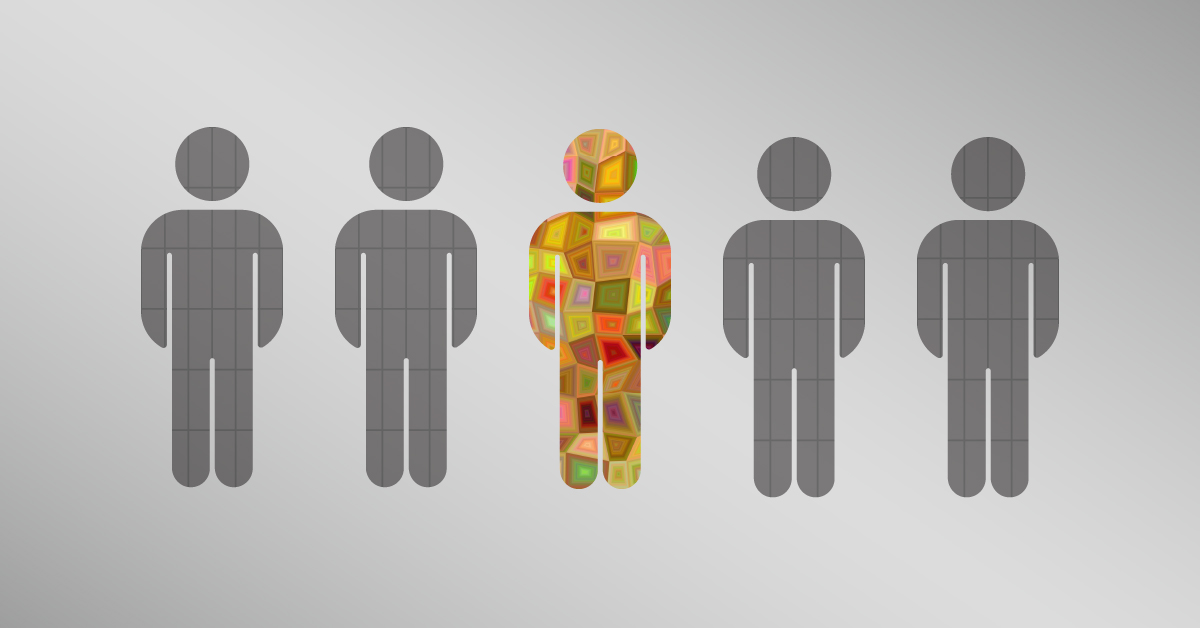
Your expensive marketing campaign might be failing. Not because your messaging is wrong, but because your imagery is saying nothing at all.
The evidence is everywhere: scroll through travel websites and you’ll see the same generic skylines and beach sunsets. Check tech company homepages and find the same neon blue lines overlaid on top of a generic skyline. Browse financial services sites and encounter the same monochrome collage of skyscrapers. Whether you’re selling vacation packages, software, or investment portfolios, everyone’s ordering from the same visual menu, and wondering why everything tastes the same.
The culprit? Getty Images, Shutterstock, and their countless competitors have essentially created a corporate aesthetic monoculture. It’s economically efficient, sure, but it’s also impossible to stand out when everyone’s pulling from the same catalog.
Some marketing departments are waking up, including flagship brands at the scale of Singapore Airlines. They’re quietly reallocating their creative budgets away from stock photography libraries toward custom imagery, crawling out of the grey and back into the limelight. The reason is simple: aesthetics drive economics. Companies investing in authentic visuals are consistently outperforming those relying on generic photos, and the performance gap is widening as audiences become more discerning.
The numbers back this up in ways that matter to the bottom line. One company we know of saw their monthly revenue jump $10,000 after ditching stock photography for authentic imagery. That’s not just about prettier pictures, it’s about building something that compounds over time. Custom photos have staying power because they help establish brand recognition and emotional connection that generic stock images simply cannot achieve.
When 70% of companies now invest in content marketing that often relies on professional photography, the brands winning are those treating imagery as a strategic asset, not a commodity purchase. The math is straightforward: distinctive visuals create scarcity value, and scarcity drives premium pricing.

Middle Image : Photo after full editing
Rightmost Image : Photo transformed into Illustration
After years of travel photography across tech and travel sectors, we’ve learned this: getting the authentic shot matters, but it’s the craft that follows which creates unforgettable work.
Last month, we climbed to remote mountain peaks at 5am to capture imagery that no stock library could offer. Then came hours of meticulous editing, applying cultural knowledge to transform the photograph into a custom illustration to tell a story no other brand can claim. It’s the difference between shopping off the rack and commissioning something that fits only you, creating a visual identity that’s inherently scarce and valuable.
Hey, what about Gen AI Images? To which I say, your answer is in its name. It’s all artificial. At first glance, AI-generated imagery seems ideal: fast, easy, endlessly customizable with comparatively low effort. Yet, at the end of the day, AI is AI. It’s not real, and increasingly, people can tell. Academic research shows that consumers can identify a fake image 68–71% of the time. That ancient temple with windows that don’t line up and stairs leading nowhere? We can see the architectural nonsense.
AI can’t produce art that resonates culturally with an audience unless explicitly instructed to mimic it. It can’t replicate the artist’s blend of passion and precision that comes from years of dedication to the craft. This isn’t just about arranging pretty colours, it’s about a commitment to excellence that shows in every frame. AI can’t create the thousands of small, imperfect details that make an image feel genuine, the slight overexposure that captures mood, the unexpected composition born from being present in the moment, the cultural instinct that can’t be programmed.
Ultimately, it’s not real. The brands that thrive, will be those that double down on human creativity, real experiences, and genuine effort. Sometimes the best strategy is the one that doesn’t scale.
The market signals are clear. Industry data shows authentic imagery generates more positive consumer response than stock photography, with the gap widening as digital literacy spreads across demographics. Companies investing in location-specific, culturally-informed visual content are establishing competitive advantages that become more valuable over time.
As stock photography libraries and AI generators saturate the market with generic imagery, the scarcity value of genuine, irreplicable content increases proportionally.
It’s not about what authentic imagery costs, it’s about what being generic costs you.